The Last Bus Is the Closing Bell: Rural Studios Rethinking the Workshop Clock
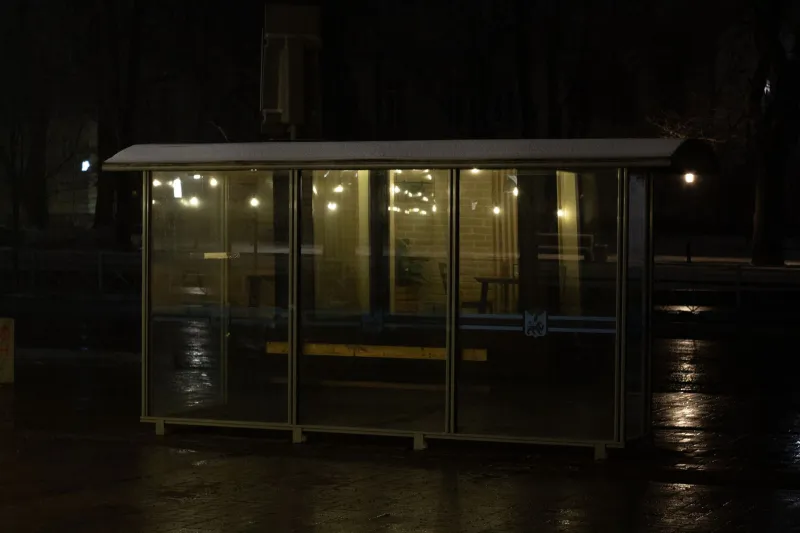
There is a moment in every rural workshop when the conversation shifts from glaze recipes to journey times. Someone checks a phone. Someone else asks whether the 7.42 still runs on a Tuesday. The tutor glances at the clock, not because the session is over, but because the last bus home is beginning to shape the room.
For makers outside the big cities, access is not an afterthought bolted onto the craft. It is part of the craft. A workshop that finishes at nine is a different proposition from one that finishes at seven, and the difference is rarely about energy or enthusiasm. It is about whether people can get home without begging a lift, paying for a taxi that costs more than the class, or walking a dark mile from a stop with no pavement.
The timetable as a guest list
At a small community studio in the Yorkshire Dales, the winter programme is built backwards. The hosts start with the last bus, then work out how long the session can reasonably run. A pottery evening might begin at six and end at eight, with a fifteen-minute buffer for cleaning up and walking to the stop. It sounds restrictive. In practice, it has widened the group.
“We used to run longer sessions and wonder why the same six people came,” says one organiser. “Now we run shorter ones and the room is full. The people who were always leaving early were telling us something.”
The guest list changes too. When a workshop is timed around public transport, it tends to include more younger makers, more people without cars, and more people who might otherwise have written the whole thing off as not for them. The timetable is not a small detail. It is a quiet form of inclusion.
Lifts, lists and the noticeboard economy
In small towns, the solution is often low-tech. Studios keep a lift-share board by the door, not as a formal scheme but as a scrawl of postcodes and phone numbers. A maker in one village offers a seat to anyone coming from the next. Someone else volunteers to drop a first-timer at the station. These arrangements are fragile and human, which is probably why they work.
One print studio in rural Norfolk has a simple rule: nobody leaves the building without knowing how everyone else is getting home. It is not enforced with a clipboard. It is just what happens when a group has learned that access is part of hosting. The same studio keeps a laminated bus timetable by the kettle, updated whenever the routes change, and a torch on a hook for the walk to the stop.
There is something deeply practical about this kind of care. It is not glamorous, and it does not photograph well. But it is the difference between a workshop that exists on paper and one that people can actually attend after work in November.
What changes when you end early
Ending a session earlier is not the same as making it smaller. Hosts who have made the shift talk about a different rhythm: a tighter start, a clearer plan, fewer lingering pauses. The work still gets done. Sometimes it gets done with more focus because everyone knows the clock is real.
It also changes what gets taught. A three-hour session can drift into conversation. A two-hour session has to make choices. Tutors begin to think in small, finishable steps: prepare the clay, demonstrate the join, let people make one thing well, clean up together. The craft becomes more modular. That is not a compromise. It is a design decision.
For collaborative builds, the timetable matters even more. A group making a community banner or a set of exhibition plinths cannot rely on “we’ll see how we go.” They need to know when the last bus leaves, who is driving, and what happens if the final coat of paint needs another hour. Some studios now plan two endings: a main finish time and a smaller, optional tidy-up slot for those with lifts or local walks.
Building transport into the craft
None of this is a plea for every workshop to become a bus-stop annexe. It is simply a recognition that rural creativity is shaped by logistics, and that the shaping can be done well or badly. A timetable pinned by the door is not a limitation. It is a map of who can join in.
The most interesting shift is that transport thinking is becoming part of creative community-building rather than an administrative nuisance. Studios are sharing route notes, swapping lift rotas, and timing open-studio nights so that people can come after work and still get home. They are asking who is missing, and then asking what time they need the session to end.
That question sounds small. In a rural workshop in the dark of a British winter, it is often the most creative one in the room.