The Dye Bed Next Door: How UK Makers Are Turning Allotments into Material Supply Chains
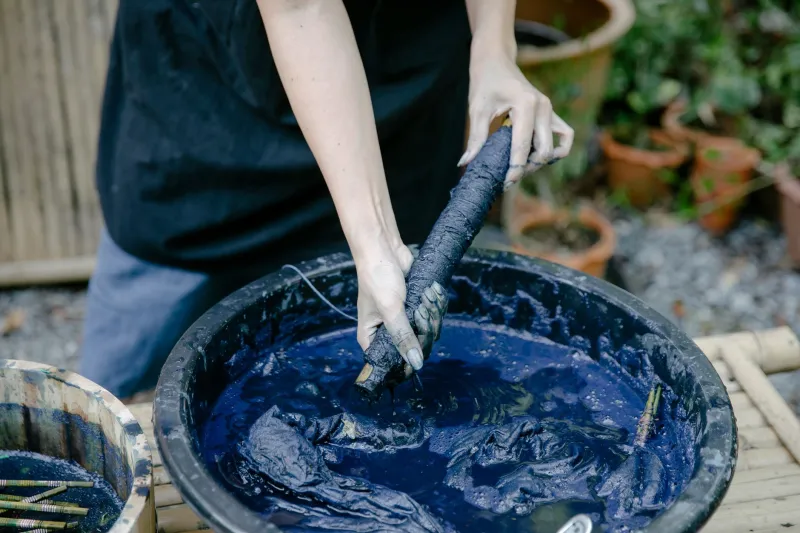
On a damp Saturday in Bristol, the most sought-after plot on the site is not the one with the best tomatoes. It is the narrow strip beside the shed where madder, weld and woad are grown for dyeing. The grower is a textile maker who rents the bed for less than the price of a few skeins of indie-dyed yarn, and the harvest will feed a year of small-batch work. This is the quiet logic of the UK's maker allotments: a patch of soil, a shared tap, and a supply chain that begins about twenty paces from the compost heap.
In 2026, these plots are showing up in cities where crafters are squeezed by material costs and workshop rents. They are not quite community gardens and not quite market gardens. They are allotments used by makers first — for dye plants, basketry willow, gourds for birdhouses and bowls, flax for small-loom experiments, and the odd row of flowers grown purely for natural cordage. The idea is simple: grow some of what you make with. The reality is more textured, seasonal and social than a shopping basket.
A plot with a different harvest
Most allotment sites are governed by the same familiar rules: keep it cultivated, keep paths clear, pay the annual rent, turn up. Maker allotments bend that framework without breaking it. A bed of weld is a crop. A stand of willow is a crop. A patch of bottle gourds, left to dry on a frame until the skins rattle, is definitely a crop, even if the neighbours need convincing.
For crafters, the appeal is part economics and part rhythm. Materials bought by the metre or the gram arrive in neat, predictable quantities. Materials grown on a plot arrive when the weather says so. That forces a different kind of planning: dyeing in late summer when the madder roots are ready, harvesting willow in winter when the sap is down, drying gourds through autumn and hoping the greenhouse does not turn into a mould factory.
It also builds local knowledge. Growers swap notes on which dye plants tolerate a north-facing site, how much space willow really needs, and whether a bottle gourd can be persuaded to ripen in a Scottish summer. The answers are rarely glossy. They are useful.
Bristol: the dye bed and the rent book
Bristol has a long allotment culture, and the maker plots tend to sit inside ordinary sites rather than on separate parcels of land. That matters. A dyer growing madder next to a retired gardener's leeks is part of a broader community, not a craft enclave. The rent is modest, the water is shared, and the committee is more interested in whether the plot looks tended than whether the harvest is going into a dye pot or a Sunday roast.
The practical wins are clear. A small dye bed can produce enough material for sample ranges, workshop sessions and limited runs. It reduces reliance on imported extracts and gives makers a story they can tell without exaggerating. It also creates a reason to stay put. When you have planted a perennial dye crop, you are less likely to give up the plot after one wet summer.
Manchester: willow, wind and workshop time
In Greater Manchester, maker allotments are often shaped by wind and hard ground. Willow for basketry needs space and patience, and a plot can look alarmingly empty for the first year. Growers learn to plant densely, coppice properly and accept that the first harvest is an investment rather than a return.
The bigger shift is social. A shared willow bed encourages shared drying space, tool lending and the kind of low-key skill exchange that happens when people are already standing in the same muddy field. One maker teaches another how to sort rods by length. Someone else brings a flask. A third person admits they have no idea what to do with the offcuts. By the end of the morning, those offcuts have become a small weaving frame for a workshop.
That is the hidden infrastructure of maker allotments. They do not just grow materials. They grow reasons for makers to meet regularly, outdoors, without a diary full of meetings.
Glasgow: gourds, glasshouses and a slower calendar
Glasgow's growing season is shorter, which makes maker allotments feel more like a gamble and more like a collaboration. Bottle gourds are a popular experiment: useful for bowls, lanterns and small sculptural pieces if they ripen and dry well. Growers swap seeds, share cloche space and compare notes on which sheltered corner of the site gets the most sun.
The result is a different relationship with the craft year. Instead of ordering materials in January and making steadily through the dark months, makers find themselves waiting. Willow is cut in winter. Dye plants are harvested in summer. Gourds dry into autumn. The studio calendar bends around the plot, and that can be frustrating. It can also be a relief. A slower supply chain makes room for experimentation, for smaller batches, and for work that carries the marks of a particular place and season.
The limits, and the lettuce
Maker allotments are not a solution to every material problem. They will not supply a production pottery, a commercial weaving studio or a maker who needs consistent quantities to a deadline. They are vulnerable to bad weather, committee politics, water restrictions and the simple fact that plants have their own ideas. Some sites are wary of non-food growing. Some growers are wary of crafters who treat the plot like an outdoor materials cupboard and forget the weeding.
The successful plots tend to be the least precious. They mix dye plants with courgettes. They accept that a row of lettuce pays the social rent. They keep a corner for experiments and a main bed for things that actually work. They share the surplus, label the poisonous plants, and do not pretend that a craft allotment is a rural idyll. It is a working plot with a different end product.
How to find a plot without jumping a queue
In 2026, the usual route is still the council waiting list, but maker allotments often start through existing groups: a textile guild, a basketry network, a repair café, a community garden with spare beds. Some sites offer half-plots or shared plots for members who cannot manage a full allotment. Others are hosted by land trusts, churches or housing associations with modest rents and a committee that wants to see the land used.
The advice from growers is unglamorous. Visit the site before you apply. Ask about water, soil contamination and whether non-food crops are allowed. Read the tenancy agreement. Start small. And be honest about how much time you can give to a bed that will need watering in August even when you are midway through a commission.
What grows next
Maker allotments are still a small part of the UK craft landscape, but they point to something practical: a local supply chain that starts with a seed packet and a shared tap. They will not replace the yarn shop or the timber merchant. They will not make every maker self-sufficient. But they do offer a way to reduce material costs, build local knowledge and let the seasons into the studio. For Creative Sun, that is the story worth watching — not a grand revolution, just a dye bed next door and a group of makers learning how to tend it.