Ten UK Studios Where the Members Hold the Lease

Photo by Photo by Rhamely on Unsplash on Unsplash
Studio rents are not getting friendlier. In 2026, makers in every UK city are weighing up the same maths: a bench, a kiln slot or a darkroom hour against unpredictable freelance income. The co-op answer is not new, but it is having a moment. Across Glasgow, Bristol, Manchester and London, member-owned studios are pooling leases, equipment and admin — and giving makers a vote instead of a landlord.
Below are ten member-led spaces worth knowing about. They range from print labs and darkrooms to woodshops and ceramics co-ops. Each is run collectively, which means the people who use the space also shape the rules, the fees and the future. Joining details change, so check each space's current intake before you turn up with a portfolio under your arm.
1. Govanhill Print Co-op, Glasgow
What it offers: screen-printing beds, a riso machine, exposure unit and a small shared darkroom for members. The co-op runs inductions for new members and keeps a rota for weekend cover.
How to join: monthly intake with a short induction. Members pay a sliding-scale monthly contribution and take on one rota shift per month. No formal qualifications needed — just a project and a willingness to muck in.
2. Leith Darkroom Collective, Edinburgh
What it offers: film processing, enlargers, scanning and a drying cabinet. The collective also hosts occasional evening sessions for people who have never developed a roll before.
How to join: join the waiting list for an intro session, then sign up to the member rota. Fees are kept low by shared admin and volunteer cover. Priority goes to people who can help with maintenance or outreach.
3. Ouseburn Craft Commons, Newcastle
What it offers: ceramics wheels and kiln, a small woodbench area, textiles tables and a shared meeting room. The commons is set up as a member-owned society, with an annual general meeting and elected coordinators.
How to join: attend a monthly open evening, then apply for membership. New members get a safety induction and a buddy for the first month.
4. Bradford Textile Commons
What it offers: weaving looms, dye equipment, sewing machines and a cutting table. The space is particularly good for people working between textile art and small-batch production.
How to join: pay-what-you-can membership with a minimum contribution, plus a skills swap option for people who can offer maintenance or admin time. Induction is required before booking the dye area.
5. Manchester Screen Lab Co-op
What it offers: screen exposure, washout booth, drying racks and a small stock of screens. The lab runs regular member-led workshops and keeps a shared calendar for bookings.
How to join: quarterly intake. Applicants do a short induction and agree to the co-op's safer-chemistry rules. Members can vote on equipment purchases at the quarterly meeting.
6. Birmingham Jewellery Quarter Bench Co-op
What it offers: shared benches, hand tools, a casting area and a polishing room. The co-op is aimed at jewellers and small metalworkers who need a professional setup without a solo lease.
How to join: portfolio or sample of work, then a bench induction. Members pay a monthly bench fee and contribute to communal consumables. There is a waiting list for full benches, but day benches are often available.
7. Bristol Easton Makers' Trust
What it offers: woodshop, ceramics area, repair bench and a small events space. The trust is set up as a community benefit society, with members holding the lease and setting the strategic direction.
How to join: open day twice a year, followed by a membership application and safety induction. The trust prioritises local makers and people who can offer repair or teaching hours.
8. Cardiff Riverside Darkroom
What it offers: black-and-white darkroom, film processing, enlargers and a small finishing area. The space is member-owned and run by a volunteer committee.
How to join: intro session for new users, then annual membership plus a small usage fee for chemicals. Members are expected to help with cleaning and stock checks.
9. Liverpool Baltic Woodshop
What it offers: benches, hand tools, a table saw, planer and a small spray area. The woodshop runs inductions for each machine and keeps a strict rule about unsupervised use.
How to join: safety induction first, then a monthly membership or a day-rate for occasional users. Members can join the tool committee, which decides on maintenance and new purchases.
10. London Hackney Ceramics Co-op
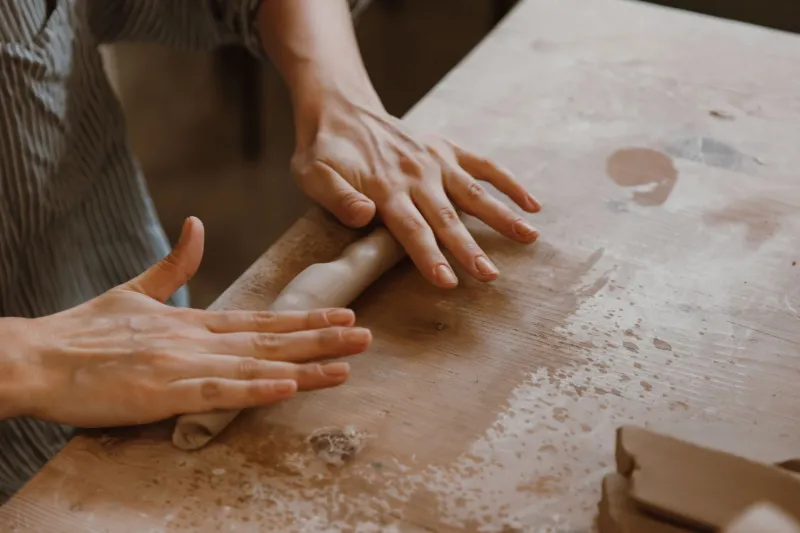
What it offers: wheels, kiln, glazing area and a shared studio table. The co-op is member-owned and runs on a rota, with members covering open hours and kiln firings.
How to join: waiting list for a membership induction, then a monthly fee plus a rota commitment. The co-op prioritises people who can commit to regular hours rather than occasional drop-in use.
Why shared ownership matters on the high street
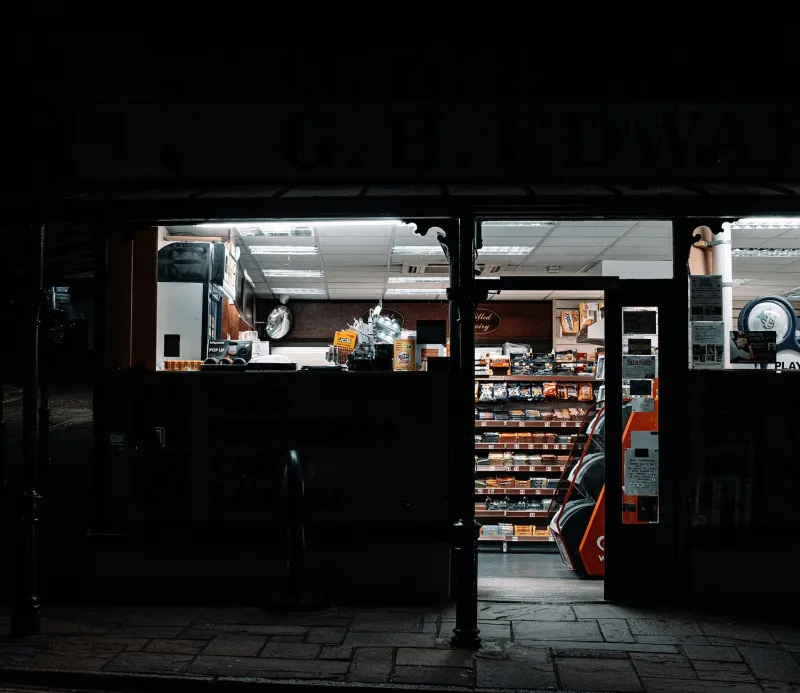
These spaces are not just cheaper desks. They are a different way of holding property. When makers own the lease collectively, they can plan beyond the next rent review. They can invest in a kiln or a press without wondering whether the landlord will sell the building. They can keep a high street unit in use as a workshop rather than a short-let.
It is not a fairy tale. Co-ops need admin, meetings and awkward conversations about money. Membership fees still rise. Waiting lists are real. But the model gives makers something a standard studio rental rarely does: a say. And in a year when rents and freelance insecurity are both pressing, a say is worth having.
The makers running these spaces are not waiting for a landlord to save them. They are pooling what they have, signing the lease together and making room for the next person. That is placemaking with sawdust on its sleeves — and it is happening from Glasgow to Bristol.